Restaurant growth
Foodpanda Commission Rate in Pakistan (2026): What It's Really Costing Your Restaurant
LetMenu Team · August 9, 2026 · 9 min read
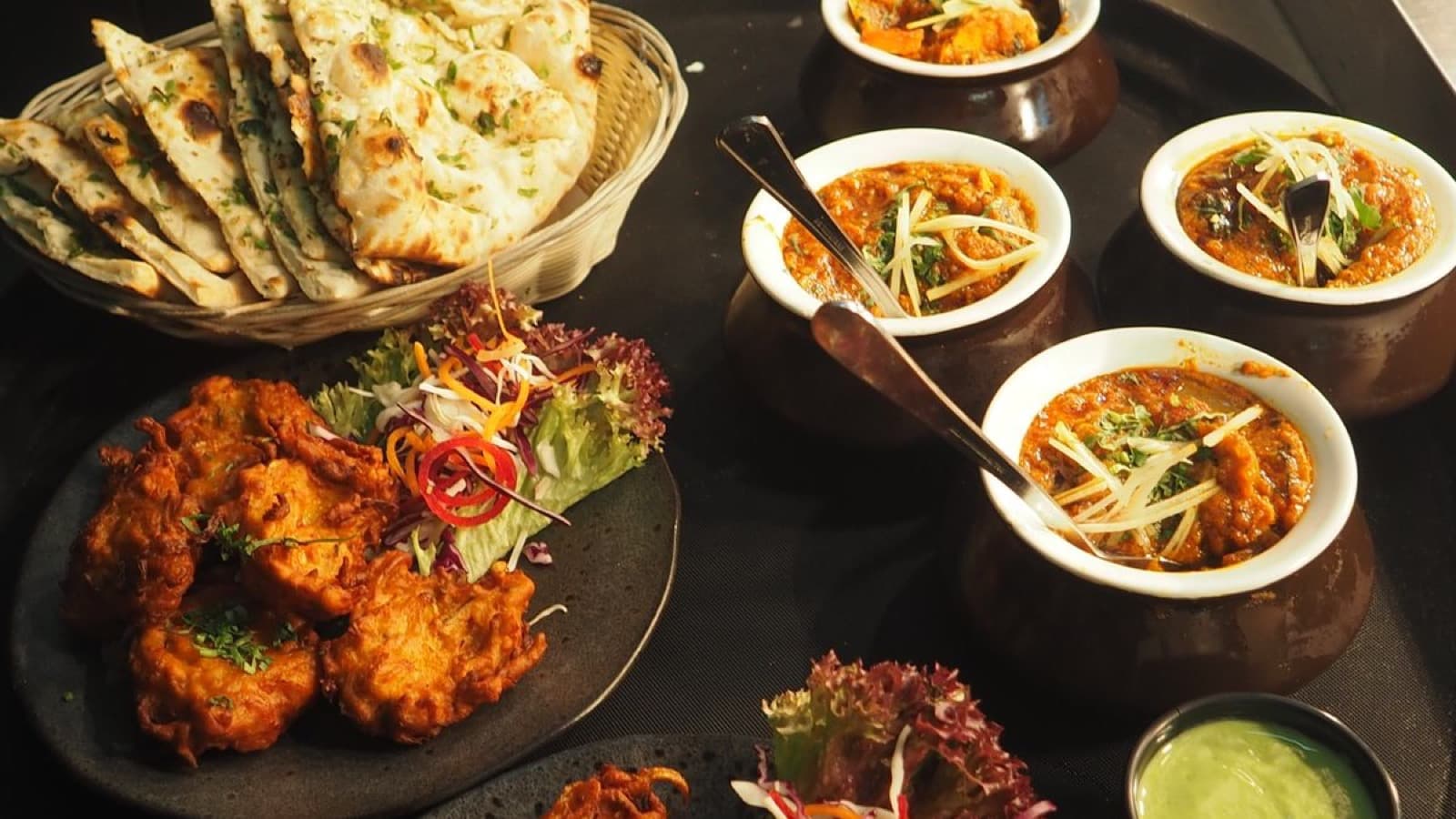
If you run a restaurant in Karachi, Lahore, Islamabad, or anywhere else in Pakistan, you already know the feeling: a busy night of Foodpanda orders comes in, and the payout at the end of the week is smaller than it should be. This is why — with the real numbers, a worked example, and what restaurant owners are doing about it in 2026.
How much commission does Foodpanda actually charge in Pakistan?
Foodpanda's commission in Pakistan typically runs 25–35% per order, depending on the restaurant's plan and visibility tier. That range covers the base listing and order fulfillment commission — restaurants that opt into "premium placement" or featured search results often pay toward the higher end.
This isn't new, either. Back in 2020, a group of restaurants in Karachi publicly boycotted Foodpanda after commission demands jumped from 18% to 35% on some accounts — a dispute that made national headlines and is still referenced by restaurant owners today.
Restaurants outside Pakistan aren't spared either — DoorDash, Uber Eats, and Grubhub charge a similar 15–30% in most global markets, so this isn't a Foodpanda-specific problem so much as an industry-standard one.
25–35%
Typical commission per order
+5%
Extra for premium placement
2–3%
Payment processing on top
2020
Year of the Karachi boycott
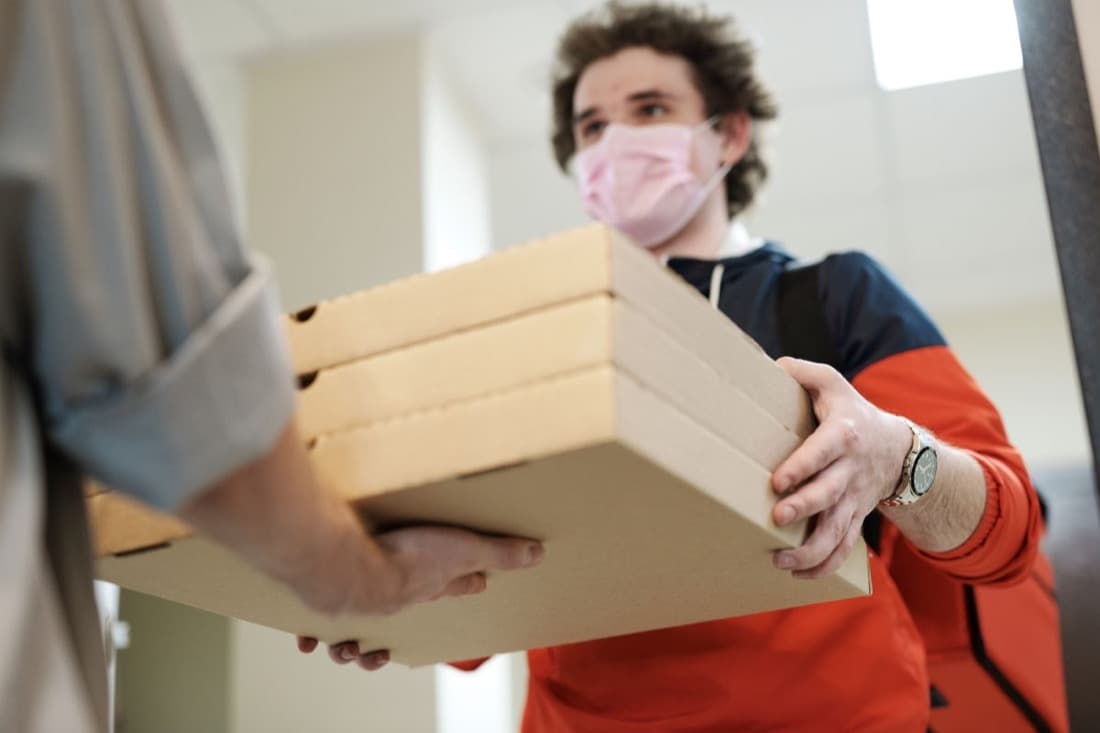
The real math: what's left after commission
Percentages are easy to skim past. Here's what a 30% effective commission actually looks like on a single order, using round numbers:
Worked example — Rs. 1,000 order
- Order value: Rs. 1,000
- Foodpanda commission (30%): −Rs. 300
- Online payment processing (~2.5%): −Rs. 25
- What actually reaches the restaurant: ≈ Rs. 675
And that Rs. 675 is before your food cost — typically 30–35% of the menu price for most Pakistani restaurants — packaging, staff wages, and rent. Run that math across a few hundred orders a month, and the gap between "revenue" and "profit" becomes the single biggest problem in the business.
Why the effective rate is often higher than advertised
The headline commission number rarely tells the whole story. A few things that quietly push the real cost higher:
- Payment processing fees on top of commission — usually another 2–3% on every card or wallet transaction.
- Mandatory discounts and promotions that platforms periodically require to stay visible in search results, which cut into margin without touching the commission line item.
- Packaging costs for delivery-safe containers, which most in-house dining doesn't need at the same volume.
- Price parity pressure — many restaurants quietly raise menu prices on aggregator apps to offset commission, which can hurt brand trust when customers notice the gap versus dine-in pricing.
Add it up, and many restaurant owners find the effective cost of an aggregator order lands closer to 35–40% of the ticket — not the 25% headline figure they signed up for.
See what a commission-free channel looks like
LetMenu gives your restaurant its own branded ordering app, website, and WhatsApp-linked storefront — with zero per-order commission.
Book a free demoWhy restaurants stay on Foodpanda anyway
To be fair to the aggregators: they solve a real problem. A new customer browsing Foodpanda for "biryani near me" can discover your restaurant with zero marketing spend on your part. For restaurants without an existing customer base, that discovery layer is genuinely valuable — which is why very few restaurant owners recommend leaving Foodpanda entirely.
The smarter move isn't "quit the aggregator." It's building a second channel — one you own — for the customers who already know your name.
The alternative: a branded ordering channel you actually own
Every returning customer — the ones who already know your food, already have your number saved, already follow you on Instagram — doesn't need to be discovered through an aggregator. They need an easy way to order directly from you.
That's what a white-label restaurant ordering system is built for: your own branded app, ordering website, and WhatsApp-linked storefront, all connected to one dashboard — with no per-order commission cutting into every sale.
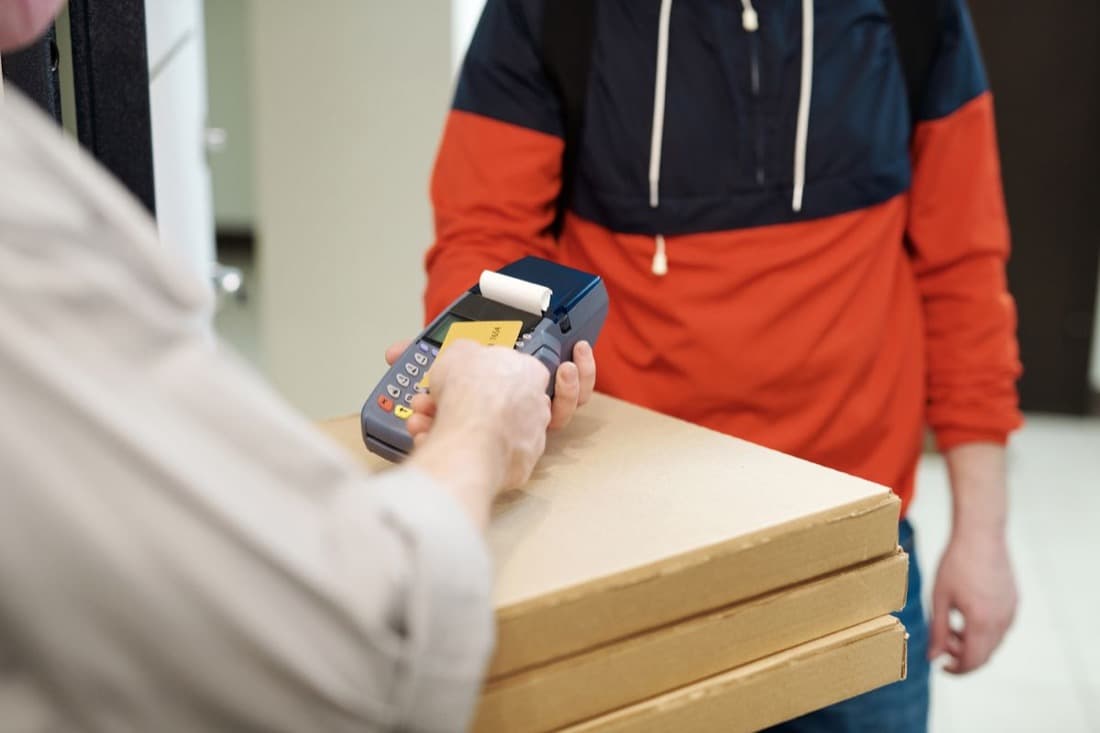
How to start shifting orders to a direct channel
You don't need to switch overnight. Most restaurants run both channels in parallel and shift the mix gradually:
- Put a QR code linking to your own ordering app or website on every takeaway box and receipt.
- Add "Order Direct" as the link in your Instagram and Facebook bio, instead of a Foodpanda link.
- Offer a small direct-order-only discount or loyalty perk — it still costs less than a 30% commission.
- Let regulars order over WhatsApp with one tap, no app download required.
- Keep Foodpanda running for new-customer discovery, and measure how your direct-order share grows month over month.
Frequently asked questions
What is Foodpanda's commission rate in Pakistan in 2026?
Commission typically runs 25–35% per order, depending on the restaurant's plan and whether it opts into premium placement. Payment processing fees of 2–3% are usually charged on top.
Can restaurants negotiate a lower commission with Foodpanda?
Some larger restaurant groups with high order volume have negotiated modest reductions, but most independent restaurants are offered standard tiered rates with limited room to negotiate.
Is there a commission-free alternative for restaurants in Pakistan?
Yes — a white-label ordering system like LetMenu gives your restaurant its own branded app, website, and dashboard for direct orders, with no per-order commission. It works alongside aggregator apps rather than replacing them outright.
How much can a restaurant save by moving repeat customers to a direct ordering channel?
It depends on order volume, but as a reference point: shifting Rs. 500,000 of monthly orders from a 30%-commission channel to a direct channel keeps roughly Rs. 150,000 in the business each month that would otherwise go to commission.
Ready to stop paying 30% on every repeat order?
Book a free walk-through and see your own branded ordering app, website, and dashboard running on your menu.
Book a DemoKeep reading
WhatsApp Ordering for Restaurants: The Easiest Way to Sell Direct
Over 2 billion people already use WhatsApp. Here's how restaurants are using WhatsApp ordering to sell direct, cut commission, and convert casual chats into paid orders.
Multi-Location Restaurant Management: How to Run Every Branch From One Dashboard
Running more than one restaurant location multiplies every operational headache. Here's how centralized, multi-branch ordering software fixes the biggest ones.
How Much Does a Restaurant Ordering App Cost in 2026? (Build vs. White-Label)
Custom restaurant app development runs $15,000 to $300,000+. Here's the real 2026 pricing breakdown for building vs. buying a white-label ordering system.
How to Choose a Restaurant Online Ordering System (2026 Buyer's Guide)
A practical checklist for choosing a restaurant online ordering system in 2026 — pricing structure, branding, multi-branch support, and the questions to ask before signing up.
Commission-Free Online Ordering for Restaurants: What It Actually Means
"Commission-free" gets used loosely in restaurant tech. Here's what it actually means, the red flags to watch for, and how to tell a real commission-free system from a relabeled one.
DoorDash, Uber Eats & Grubhub Commission Fees: What They Really Cost Restaurants in 2026
DoorDash, Uber Eats, and Grubhub charge 15–30% commission per order — and the effective cost often runs higher once fees stack. Here's the real breakdown.
White-Label Restaurant Ordering System: The Complete Guide for Restaurant Owners (2026)
What a white-label restaurant ordering system actually is, how it's different from a marketplace app, what to look for when choosing one, and what setup looks like — a full guide for restaurant owners.