Restaurant growth
How Much Does a Restaurant Ordering App Cost in 2026? (Build vs. White-Label)
LetMenu Team · August 13, 2026 · 8 min read
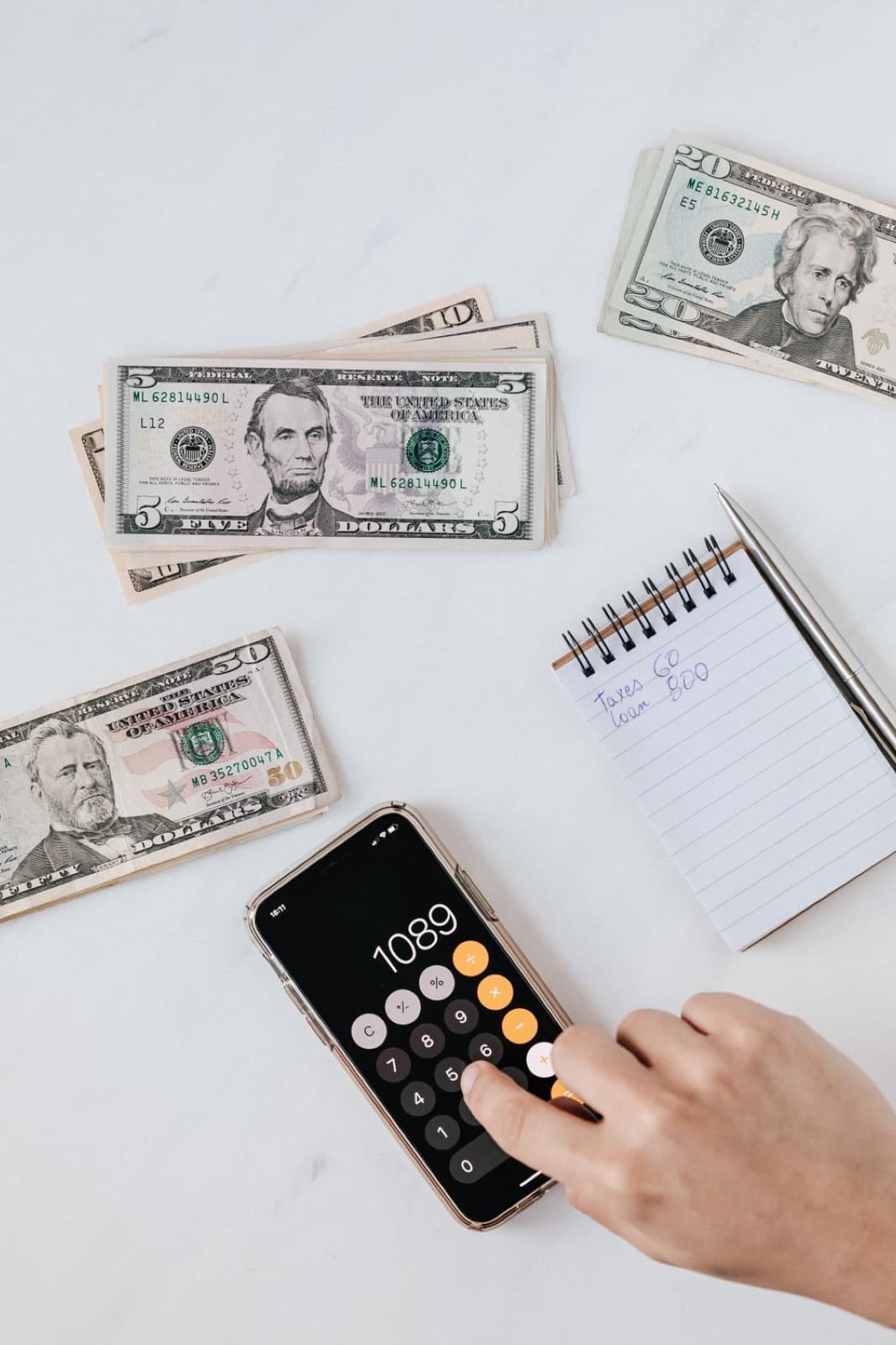
"How much does a restaurant app cost?" has a much wider answer range than most owners expect — anywhere from a few hundred dollars a month to well over $150,000. The gap comes down to one decision: build custom, or buy white-label.
The real cost of building custom
Custom development cost scales almost entirely with scope. As a general guide for 2026:
$8K–25K
Basic single-location app
$40K–120K
Multi-location, POS-integrated
$150K–300K+
Full delivery platform
15–20%
Annual maintenance, of build cost
That maintenance figure matters as much as the build cost — a $100,000 custom app typically needs another $15,000–$20,000 a year just to stay running, before any new features.
What drives the cost up
- Number of platforms — iOS, Android, and web each add development and testing time.
- POS and payment integrations — connecting to existing kitchen and payment systems is often the single biggest cost driver.
- Multi-location logic — per-branch hours, delivery zones, and branch-scoped staff access all add real engineering complexity.
- Ongoing feature requests — every menu redesign or new feature after launch is billed as new development work.
The white-label alternative
A white-label restaurant ordering system gives you the same branded app, website, and dashboard — built on existing, already-tested technology — for a flat subscription, typically $500 to $5,000 per month depending on scale, instead of a five- or six-figure upfront build.
The trade-off in one line
Skip the six-figure build
LetMenu gives your restaurant a fully branded app, website, and dashboard for a flat monthly cost — live in about 48 hours.
Book a free demoWhich option actually makes sense for your restaurant
- Independent or small multi-location operators almost always come out ahead with white-label — the upfront cost and timeline of custom development rarely pencil out below a certain order volume.
- Large chains with dedicated engineering teams may have a case for custom development, particularly for deep POS or supply-chain integrations unique to their operation.
For most restaurants comparing the two, the buyer's guide checklist is a useful next step once cost is no longer the deciding factor.
Hidden costs people forget, on both paths
- Payment processing fees (2–3%) apply regardless of build vs. buy.
- App store review and update cycles add time on both paths, though white-label providers usually manage this for you.
- Staff training time on a new ordering and dashboard workflow.
- Marketing cost to actually drive customers to the new ordering channel — the app itself doesn't generate orders on its own.
Frequently asked questions
How much does it cost to build a custom restaurant ordering app?
A basic single-location app typically runs $8,000–$25,000. Multi-location apps with POS integration run $40,000–$120,000 or more, and full delivery platforms can exceed $150,000–$300,000.
How much does a white-label restaurant ordering system cost?
Typically $500 to $5,000 per month depending on scale, covering the branded app, website, and dashboard with no large upfront development cost.
Is white-label cheaper than building custom?
For most independent and small multi-location restaurants, yes — the upfront cost and 15–20% annual maintenance of a custom build rarely make sense below a certain order volume.
Does a white-label app still need ongoing costs?
Yes — the flat subscription fee, plus standard payment processing (2–3%) — but without the unpredictable custom-development maintenance bills.
See the real cost for your restaurant
Book a free walk-through and get a straight answer on what a branded ordering app, website, and dashboard actually costs for your business.
Book a DemoKeep reading
WhatsApp Ordering for Restaurants: The Easiest Way to Sell Direct
Over 2 billion people already use WhatsApp. Here's how restaurants are using WhatsApp ordering to sell direct, cut commission, and convert casual chats into paid orders.
Multi-Location Restaurant Management: How to Run Every Branch From One Dashboard
Running more than one restaurant location multiplies every operational headache. Here's how centralized, multi-branch ordering software fixes the biggest ones.
How to Choose a Restaurant Online Ordering System (2026 Buyer's Guide)
A practical checklist for choosing a restaurant online ordering system in 2026 — pricing structure, branding, multi-branch support, and the questions to ask before signing up.
Commission-Free Online Ordering for Restaurants: What It Actually Means
"Commission-free" gets used loosely in restaurant tech. Here's what it actually means, the red flags to watch for, and how to tell a real commission-free system from a relabeled one.
DoorDash, Uber Eats & Grubhub Commission Fees: What They Really Cost Restaurants in 2026
DoorDash, Uber Eats, and Grubhub charge 15–30% commission per order — and the effective cost often runs higher once fees stack. Here's the real breakdown.
Foodpanda Commission Rate in Pakistan (2026): What It's Really Costing Your Restaurant
Foodpanda charges Pakistani restaurants 25–35% commission per order. Here's the real math on what that costs, why the effective rate is often higher, and how to build a commission-free ordering channel of your own.
White-Label Restaurant Ordering System: The Complete Guide for Restaurant Owners (2026)
What a white-label restaurant ordering system actually is, how it's different from a marketplace app, what to look for when choosing one, and what setup looks like — a full guide for restaurant owners.